Vape Law in Indonesia: Retail Licensing — Mistakes that cause most problems
Direct answer
Selling Vape in Indonesia usually calls for at least one licence, and often two: a general business registration and a tobacco or vaping-specific authorisation. The specific permit, its fee and its renewal cycle vary by jurisdiction and sometimes by municipality. Licence fees in most markets sit in a low four-figure local currency range per outlet per year, with renewal inspections. Market-specific artwork, warning language and nicotine limits are the three items that most often force a reprint. Get the position confirmed in writing before the first carton ships, not after it lands. Compliance is a process rather than a document: it needs an owner, a review date and a way to catch changes before stock ships.
Enforcement in Indonesia runs through more than one agency, so a question about import and a question about retail often go to different offices with different answers and different timelines.

Licences needed to sell Vape
For anyone importing into Indonesia, this is the document set to assemble first. Licensing conditions usually cover premises suitability, staff training, display rules and record keeping. Some markets require a separate licence for each outlet, which makes chain expansion slower than expected. Losing a licence is often a bigger commercial event than a fine, because reinstatement takes months and the premises may not qualify again.
- Keep training records on site
- Diarise renewal dates with a margin
- Confirm whether a vape-specific licence exists
- Log every enforcement letter and reply date
- Check the carrier's restricted-goods list
Mistakes that cause most problems
For anyone importing into Indonesia, this is the document set to assemble first. Most failures trace back to four habits: charging with the wrong adapter, filling past the mark, running a coil dry, and storing devices in a hot car. None of these are product defects, and all of them are cheaper to prevent than to refund. The pattern repeats across formats and price points.
- Charge from a standard 5V adapter, not a fast charger
- Leave an air gap when filling
- Prime a new coil before the first draw
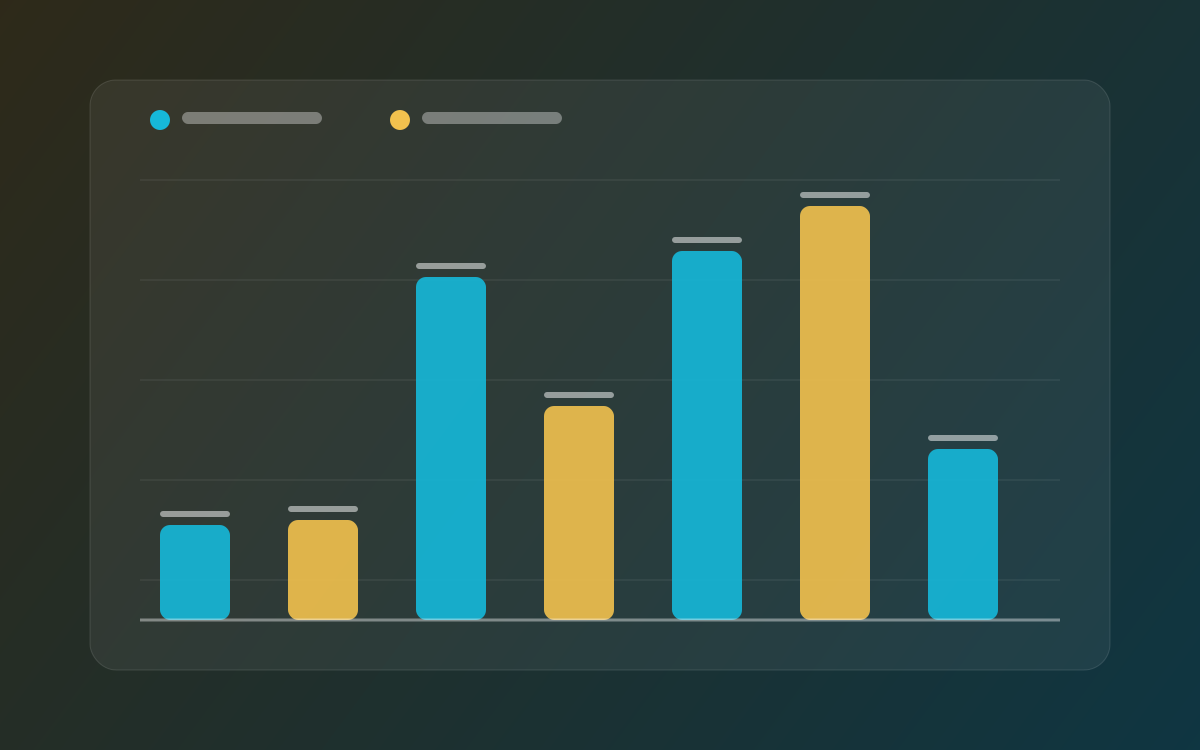
The figures that matter
For Indonesia, the requirement below is checked before the retail question is asked. The table condenses the figures and documents that change a purchasing decision. Treat the ranges as typical as typical rather than fixed, and ask the supplier to confirm the values that apply to your model.
| Requirement | Who it applies to | Typical form | Consequence of missing it |
|---|---|---|---|
| Age limit | Retail and online sale | 18 or 21 depending on market | Fine and licence review |
| Packaging and warnings | Retail carton and device | Local language, prescribed text | Reprint and delay |
| Local notification | Importer into Indonesia | Number held before first sale | Withdrawal from sale |
| Advertising | Brand and retailer | Restricted channels only | Removal and penalty |
| Product notification | Manufacturer or importer | Notification number before sale | Withdrawal from sale |
Step by step
- Read the filling instructions once
- Prime the coil and wait
- Charge with a 5V adapter
- Keep the device out of hot cars
- Replace consumables on a schedule rather than on failure
Practical notes
Compliance is a process rather than a document: it needs an owner, a review date and a way to catch changes before stock ships. Market-specific artwork, warning language and nicotine limits are the three items that most often force a reprint. When the rule and the guidance disagree, plan for the stricter reading until it is resolved.
Questions people ask
What decides retail licensing for vape law in indonesia?
Licence fees in most markets sit in a low four-figure local currency range per outlet per year, with renewal inspections. Confirm whether a vape-specific licence exists.
What is a realistic lead time for compliant stock?
Plan 15-30 days for production plus transit, and add time for artwork approval and any registration step. Rushed artwork is the most common cause of a customs hold.
Who enforces the rules in practice?
Usually a combination of the national regulator, customs, local trading standards and, for online sales, the platform itself. Enforcement intensity varies by region and by product category.
What happens to stock that does not comply?
Typical outcomes are seizure at the border, refusal of entry, recall from retail, or a fine. The exact penalty depends on the market and on whether the breach is treated as administrative or criminal.
Can I sell online into this market?
Often yes, but with conditions: age verification, local labelling, distance-selling registration and, in some markets, a domestic representative. Cross-border parcels are an enforcement priority in several countries.
Related guides
- Retail Licensing ExplainedRetail Licensing, with the figures and documents that decide it.
- Retail Licensing in NumbersRetail Licensing, with the figures and documents that decide it.
- Flavour Restrictions Field NotesFlavour Restrictions, with the figures and documents that decide it.
- Taxes & Excise Cost BreakdownTaxes & Excise, with the figures and documents that decide it.
- Packaging Rules 2026 UpdatePackaging Rules, with the figures and documents that decide it.
- Penalties ExplainedPenalties, with the figures and documents that decide it.
Regulatory and technical details on this page are a practical summary for buyers and operators, current as of 2026. Rules, limits and standards change; confirm the position with the relevant authority and with your supplier's documentation before shipping or selling.